Bird Removal
Nuisance birds can create a bad public image with tenants and patrons. Titan Pest & Wildlife will effectively remove the birds on your property.
Are nuisance birds causing problems for your home or business? If so, Titan Pest & Wildlife can help! We will humanely and safely protect your space from troublesome birds and the costly damage they can cause.
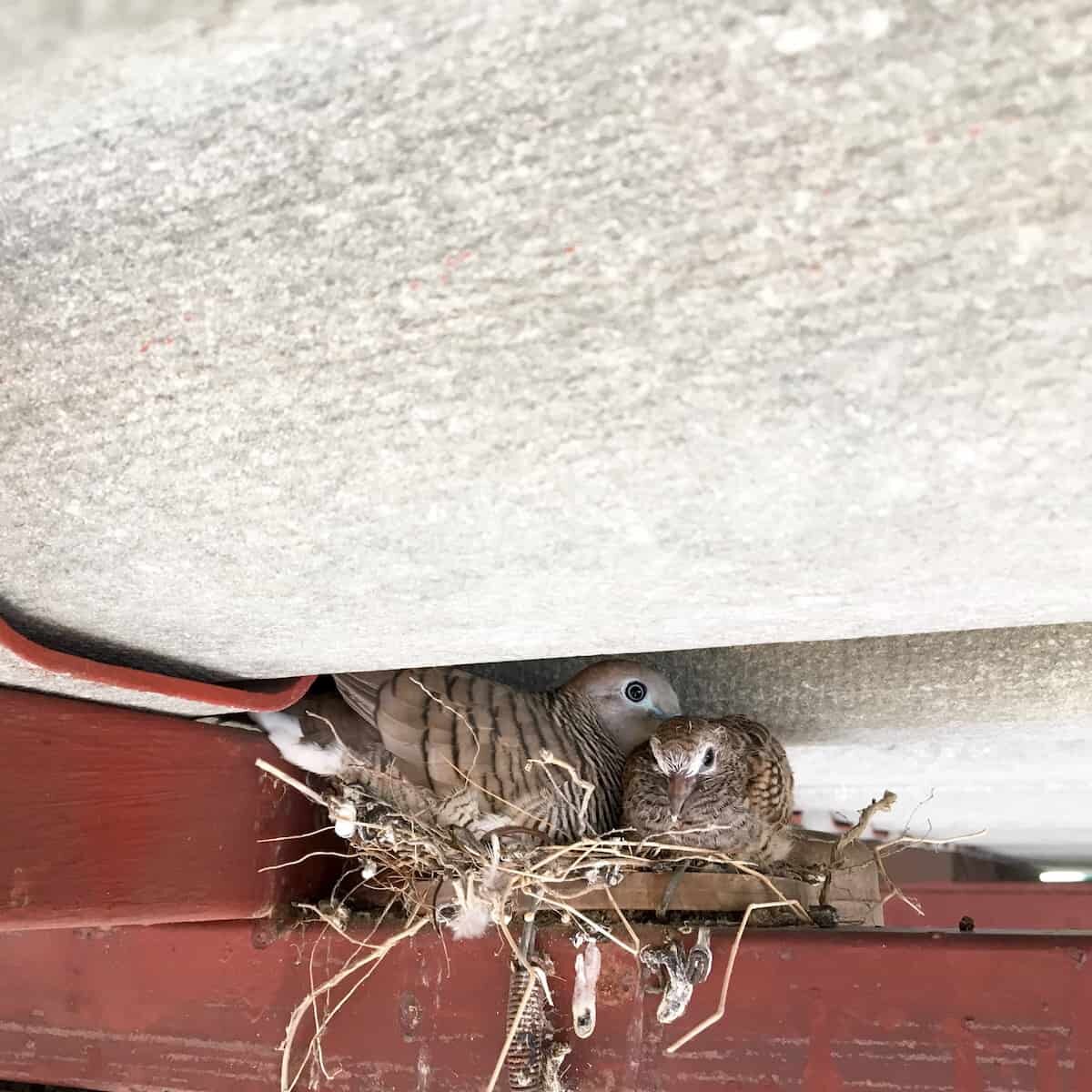
We don’t automatically think of birds when we hear the word pest. However, each year, nuisance birds and their droppings cause millions of dollars in property damage. In addition, their droppings can spread more than 60 transmittable diseases to humans and animals.
Common Missouri Pest Birds
Looking in your backyard, you will notice many different birds flying around. Most birds are happy nesting in trees and other natural shelters. Other birds don’t mind causing a bit of trouble. Some of the most common nuisance birds in the St. Louis area include:
- European Starling
- House Sparrow
- Pigeon
- Blue Jay
- Woodpeckers
- American Crow
- Canada Goose
- Red-winged Blackbird
- Common Grackle
- Black Vultures
While these are the most common, other birds may find areas of your house an excellent place to set up their nests. It’s essential to remember that some bird species are protected by law under the Migratory Bird Treaty Act. This federal regulation makes taking, importing, exporting, possessing, selling, or purchasing migratory birds, nests, eggs, or other parts illegal without a valid permit.
Signs of a Bird Infestation
While birds are often beautiful and enjoyable to watch, nuisance birds or bird infestations are problematic. Therefore, it’s essential to recognize the signs of a bird infestation before it causes much damage and requires costly repairs. Some of the common signs to look for include:
- Droppings – bird droppings on roofs, paved areas, ledges, vehicles, or goods
- Birds Settling – on roofs, ledges, wires, and cables
- Noises – continuous bird chirping and noises, especially from chicks
- Bird Nests – Birds can make nests almost anywhere; look in gutters, beams, attics, roofs, and ledges
- Damage – Birds can damage the siding and other structural parts of a house
- Foul Odor – If there is a constant bad smell that cannot be blamed on the garbage or other rotting materials
Debris from the nests can clog gutters and drainage systems, damaging walls, ceilings, and other parts of a house or property. In addition, birds often carry parasites like fleas, ticks, and mites that can bite humans and animals and create health problems.
Bird Nest Removal
As mentioned already, some birds are protected by federal laws. Therefore, it is recommended that you leave bird nest removal to professional pest removal experts.
Another reason to contact a professional is that the pathogens birds can carry make them dangerous to humans. Microorganisms from birds, transmitted in several ways, can cause a wide range of infectious diseases. Handling the nests can transmit these.
If a bird has taken up residence on your property and is a nuisance, causing damage to your home or preventing an area from being used, it’s time to contact the bird removal experts at Titan Pest & Wildlife.
Whether you need help reducing the nesting birds in your yard or want to eliminate a specific nuisance bird, we will create a custom solution for you. Our bird removal and control services include:
- Site evaluation
- Trapping/Exclusion
- Debris and bird-dropping cleanup
- Disinfecting or deodorizing
- Ongoing preventative maintenance
Contact Titan Pest & Wildlife
At Titan Pest & Wildlife, we make it our business to protect your home. Our residential pest control solutions provide a thorough pest management process designed to eliminate the bug problems you have now and, more importantly, prevent future infestations from happening.